
The Thrill of Uncertainty
The psychology of casino gambling is deeply rooted in the thrill of uncertainty. Players are drawn to the unpredictable nature of games, where wins and losses hang in the balance. This uncertainty triggers a release of dopamine in the brain, the chemical associated with pleasure and reward. As such, every spin of the roulette wheel or flip of the card can evoke a rush of excitement, compelling players to engage in the activity more frequently. In today’s world, many also explore other avenues for excitement, such as offshore betting to amplify their thrill-seeking behaviors.
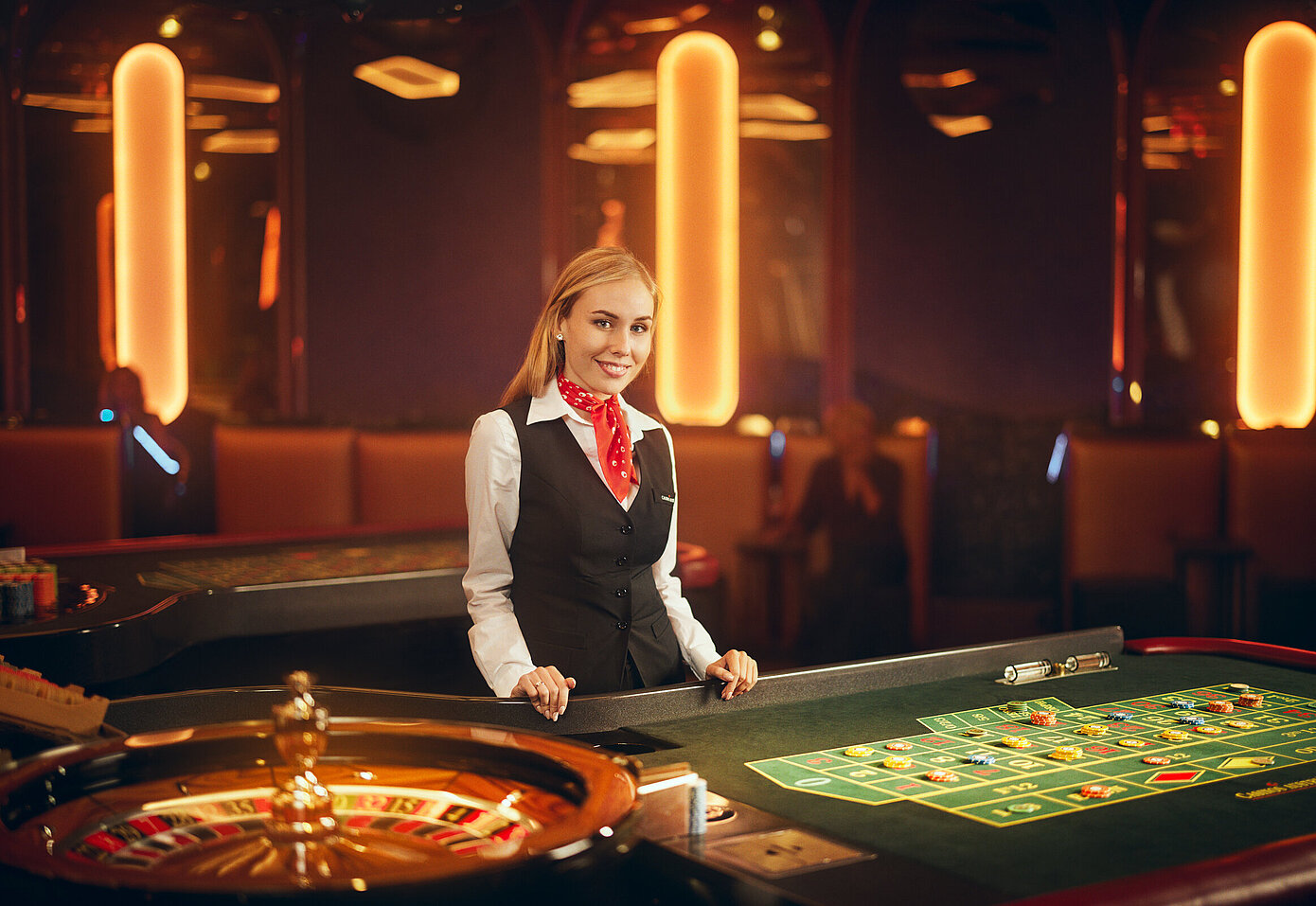
Moreover, the anticipation before revealing the outcome of a game creates an exhilarating experience that can be hard to resist. This anticipation is not just about the possibility of winning money; it encompasses the broader experience of gambling, including social interactions and the environment of the casino itself, which are designed to heighten emotional engagement.
Cognitive biases play a significant role in gambling behavior. One prevalent bias is the illusion of control, where players believe they can influence the outcome of games based on their actions, even in games governed by chance. This misconception can lead to excessive gambling, as players feel empowered by their perceived ability to tilt odds in their favor.
Additionally, the gambler’s fallacy—a common misunderstanding whereby people believe that past outcomes affect future probabilities—fuels the belief that a winning streak can continue or that a losing streak is due to reverse. These biases skew players’ judgment and can lead to irrational decision-making, often resulting in unplanned gambling behaviors.
The social aspects of gambling cannot be overlooked in understanding its psychology. Casinos are often vibrant social hubs where individuals come together, forging connections over shared experiences. This social environment can reinforce gambling behavior, as players may feel compelled to join in for fear of missing out or to maintain social ties.
Furthermore, peer pressure can contribute significantly to an individual’s decision to gamble. The company of friends or peers can amplify the perceived enjoyment of gambling, making it a collective activity rather than a solitary one. The presence of others can create a sense of acceptance and validation, making the act of gambling feel more appealing and engaging.
Many individuals turn to casinos as a means of emotional escape or to cope with life’s stresses. Gambling can provide a temporary distraction from personal issues, enabling players to forget their problems within the immersive and often glamorous environment of a casino. This escape can be particularly potent for those facing emotional turmoil or significant life changes.
This behavior is especially concerning as it can lead to a cycle of dependency, where individuals increasingly rely on gambling as a coping mechanism. The initial excitement may turn into an overwhelming urge, leading to compulsive gambling patterns that can have detrimental impacts on one’s life and relationships.

Understanding Casino Dynamics
Understanding the psychological aspects of casino gambling enhances the awareness of its complexities. Casinos are designed to maximize player engagement through ambiance, rewards, and endless opportunities to play. The architecture, lighting, and soundscape of casinos are curated to create an immersive experience that keeps players inside longer, impacting their decision-making processes.
By recognizing these elements, players can better navigate their gambling habits and make informed choices. Understanding the psychology at play can empower individuals to approach gambling more responsibly and mitigate the risk of developing problematic behaviors, ensuring their experiences remain enjoyable rather than harmful.